It might not be at the top of your fitness list, but it definitely shouldn’t be forgotten: the pelvic floor muscles. Yes, they’re more important than you might think! These muscles play a crucial role in everything from bladder control to improving athletic performance. Whether you’re a dedicated athlete or simply want to become stronger and healthier, training your pelvic floor muscles can benefit everyone.
Let’s talk about the best ways to train these often-overlooked muscles and why doing so is just as important as strengthening your core, legs, or arms.
What are pelvic floor muscles?
Let’s start with the basics: what exactly are pelvic floor muscles? Simply put, they are a group of muscles located at the base of your pelvis. These muscles form a sort of hammock that supports several organs, such as the bladder, uterus (in women), and intestines. They play an essential role in functions like urination, bowel movements, and sexual activity.
They also help maintain good posture and stabilise your core during exercise. In short, they’re an important part of your body and deserve just as much attention as any other muscle group!
Why should you train your pelvic floor muscles?
So, why should you spend time training your pelvic floor muscles? Here are some key reasons why it’s a great idea:
- Prevent incontinence: One of the most common reasons to train your pelvic floor muscles is to prevent or reduce urine leakage. Strong pelvic floor muscles can help you maintain better bladder control.
- Better athletic performance: The pelvic floor is part of your core, and a strong core is essential for almost every sport. Whether you run, lift weights, or practice yoga, strong pelvic floor muscles improve your stability and performance.
- Improved posture: Because your pelvic floor is part of your core, it also helps support your back and improve posture. This can help prevent back pain, especially if you have a sedentary job.
- Specific benefits for men: While many people think pelvic floor training is just for women, men can benefit significantly too. It helps with bladder control and contributes to overall pelvic health.

Top 5 pelvic floor exercises
Now that you know why it’s important, you’re probably wondering: “How do I train my pelvic floor muscles?” Fortunately, there are several simple yet effective exercises you can try.
- Kegel exercises: These are the best-known exercises for strengthening the pelvic floor. Start by contracting your pelvic floor muscles as if you were trying to stop the flow of urine. Hold for 3 to 5 seconds, then relax. Repeat this 10 to 15 times.
- The bridge: Lie on your back with your knees bent and your feet flat on the floor. Lift your hips towards the ceiling while tightening your pelvic floor muscles. Hold for a few seconds, then slowly return to the starting position. You can also add a resistance band for extra challenge. Check out our blog on the best resistance band exercises for more variety and tension.
- Squats: Squats help train the pelvic floor by engaging the muscles in your lower body. Stand with your feet shoulder-width apart and slowly lower yourself into a squat while tightening your pelvic floor muscles. Squats are also great as part of your glutes, legs, and abs routine for a complete lower body workout.
- Breathing exercises: Combine deep breathing techniques with pelvic floor contractions. Inhale deeply through your nose, contract your pelvic floor muscles, and exhale slowly as you relax them.
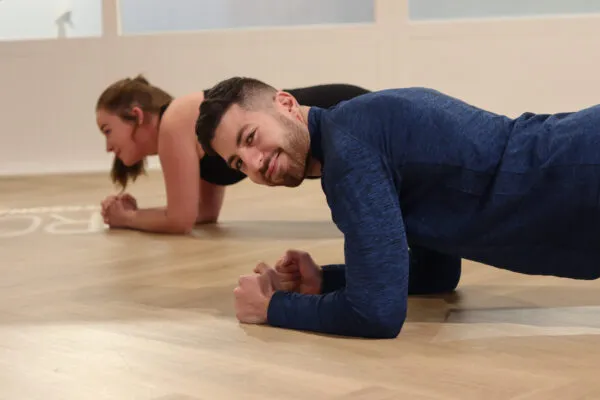
- Planks: Get into a plank position (on your elbows or hands) and engage your pelvic floor muscles while keeping your core tight. Hold the plank as long as you can without losing form.
Common mistakes and how to avoid them
There are a few mistakes people often make when training their pelvic floor muscles. Here are the most common ones and how to avoid them:
- Engaging the wrong muscles: Some people accidentally tighten their abs, glutes, or thighs instead of their pelvic floor. Focus on the sensation of stopping the flow of urine or preventing passing wind, that’s how you find the right muscles.
- Forgetting to breathe: Many people hold their breath while doing the exercises. Try to breathe normally as you contract and relax the muscles.
- Training too fast or too forcefully: Start gently and build up gradually. Pelvic floor training is about consistency and control, not brute strength.
- Not training regularly: Like any muscle group, consistency is key. Try to do the exercises several times a day and make it part of your routine.
When to expect results
Results can vary from person to person, but with regular training, you should notice improvements in muscle control and strength within a few weeks to a few months. Consistency is the key. Start with just a few minutes a day and gradually build up.
Train at ProFit Gym
Ready to strengthen your pelvic floor and experience all the benefits that come with it? Visit ProFit Gym! Our professional trainers are ready to help you with personalised exercises tailored to your goals. Whether you’re a beginner or already have some experience, we’ll make sure you get the most out of your training.
Contact us or check out our memberships and let our trainers guide you with a personal plan focused on core and pelvic floor strength.